
Table of Contents
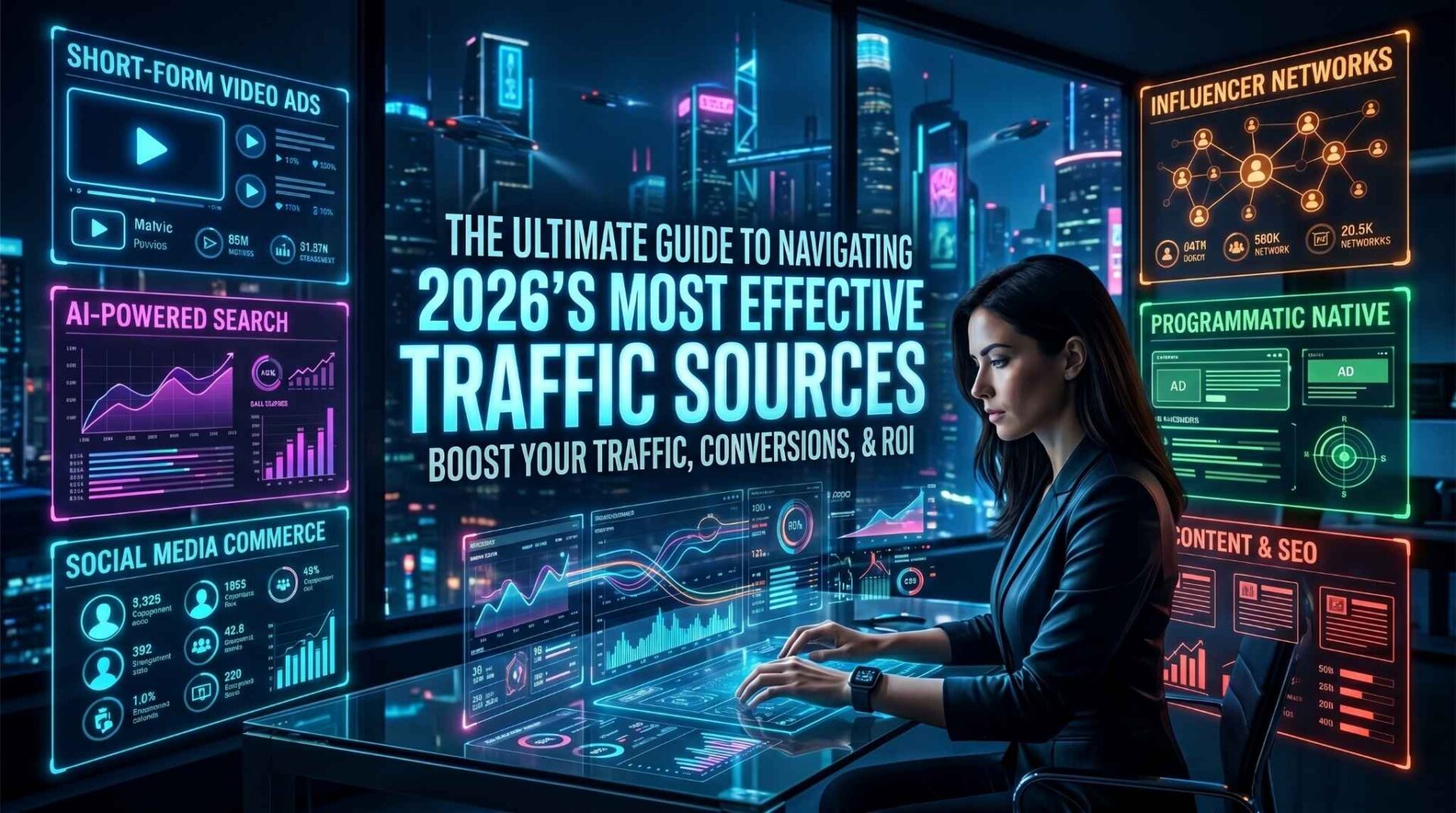
In the ever-evolving world of digital marketing, affiliate marketers are continuously seeking innovative ways to drive targeted traffic to their offers. As we step into 2026, the landscape has become more competitive yet filled with unprecedented opportunities. With advancements in artificial intelligence, shifting consumer behaviors, and the rise of new digital platforms, choosing the right traffic sources can make or break an affiliate marketer’s success. This guide explores the most effective traffic strategies for 2026, helping you harness the power of modern marketing channels to scale your income and connect with your audience.
Understanding the Core Traffic Sources for 2026
Search Engine Optimization: Still the Gold Standard
SEO remains a cornerstone for affiliate marketers in 2026. While it requires patience and long-term commitment, the rewards are substantial. Modern SEO focuses not just on keyword rankings but on delivering value through comprehensive, AI-optimized content that answers user intent. Voice search and featured snippets now play a larger role, so adapting content to match conversational queries is essential. Additionally, Google’s emphasis on E-E-A-T (Experience, Expertise, Authoritativeness, Trustworthiness) means that demonstrating credibility and domain expertise is more critical than ever.
Key elements to focus on include:
- Technical SEO improvements such as site speed and mobile responsiveness
- Localized content for regional targeting
- Video and image optimization for enhanced visibility
Social Media Platforms: Engaging Audiences Where They Spend Time
Social media continues to be a dynamic source of traffic for affiliate marketers. Platforms like TikTok, Instagram, and LinkedIn have evolved to support commerce and creator economies. Short-form video content dominates user engagement, with platforms leveraging AI to personalize feeds. TikTok, in particular, has become a goldmine for product discovery, especially among younger demographics. Instagram’s integration with shopping features allows for seamless promotion of affiliate products. LinkedIn, while more niche, offers access to B2B audiences and professionals who trust peer recommendations.
Marketers should consider:
- Creating short, captivating videos that showcase product benefits
- Collaborating with micro-influencers for authentic endorsements
- Engaging in community-building through stories and live sessions
Email Marketing: Building Direct Relationships
Email marketing maintains its position as one of the highest ROI-driven traffic sources. In 2026, personalization has reached new heights through AI-driven segmentation and predictive analytics. Marketers can now send highly tailored messages based on user behavior, preferences, and purchase history. The key is establishing trust and consistency. Regular newsletters, exclusive offers, and valuable content keep subscribers engaged and eager to click through to affiliate links.
Strategies to enhance effectiveness:
- Automating drip campaigns for new subscribers
- Using dynamic content blocks that adapt to recipient data
- Sending win-back emails to re-engage inactive leads
Paid Advertising: Precision and Performance
Paid advertising platforms like Google Ads and Meta Ads Manager remain powerful tools for generating immediate traffic. In 2026, machine learning algorithms allow for hyper-targeted ad delivery, reducing waste and improving conversion rates. Search engine ads continue to dominate for high-intent keywords, while display and video ads excel at brand awareness and retargeting. Programmatic advertising, which automates ad buying, is also gaining traction for its efficiency in scaling campaigns.
Considerations for 2026:
- Leveraging AI-powered bidding strategies to optimize costs
- Testing emerging platforms like Pinterest and Snapchat for unique audiences
- Focusing on retargeting to convert warm leads
Content Marketing: Establishing Authority and Driving Organic Reach
Creating valuable, educational, or entertaining content is a timeless strategy that aligns with user needs. In 2026, content marketing extends beyond blogs to include podcasts, infographics, and interactive experiences like quizzes and calculators. SEO-friendly content continues to drive organic traffic, while repurposing content across multiple formats maximizes reach. Guest posting and contributing to authoritative sites remain effective for backlink building and brand exposure.
Focus areas include:
- Developing thought leadership through expert roundups and case studies
- Creating downloadable resources like e-books or templates
- Utilizing user-generated content to build social proof
Emerging Trends Shaping Traffic Strategies in 2026
AI-Powered Personalization
Artificial intelligence is revolutionizing how traffic is generated and converted. From chatbots providing instant support to predictive algorithms suggesting relevant products, AI enhances every touchpoint of the customer journey. Affiliate marketers can leverage AI tools for content creation, audience segmentation, and performance analysis. Platforms are also integrating AI into ad targeting, making campaigns more efficient and cost-effective.
Privacy-First Marketing
With increased scrutiny over data privacy, marketers must adapt to a cookie-less future. First-party data collection through surveys, lead magnets, and loyalty programs is becoming essential. Transparent data practices and opt-in strategies help maintain trust while complying with regulations like GDPR and CCPA.
Community-Driven Growth
Building communities around shared interests or values creates loyal audiences that trust recommendations. Platforms like Discord, Reddit, and private Facebook groups allow marketers to foster connections and encourage word-of-mouth promotion. Engaging with these communities authentically and providing value over time cultivates long-term relationships.
Choosing the Right Mix of Traffic Sources
The effectiveness of traffic sources varies depending on the niche, target audience, and business goals. Beginners might start with free channels like SEO and social media, gradually investing in paid advertising as they scale. Established marketers often combine multiple sources to diversify risk and maximize reach.
A balanced approach includes:
- Organic channels for steady, long-term growth
- Social media for immediate engagement and brand building
- Email marketing for nurturing relationships and repeat traffic
- Paid ads for quick results and campaign testing
Regularly analyzing performance metrics and adjusting strategies ensures optimal resource allocation. Tools like Google Analytics, SEMrush, and social media insights provide data to refine tactics and identify high-performing channels.
Conclusion
As we navigate 2026, the affiliate marketing landscape offers a rich mix of traditional and cutting-edge traffic sources. Success lies in understanding your audience, choosing the right channels, and staying adaptable to changing trends. By combining the reliability of SEO and email marketing with the immediacy of paid ads and the engagement of social media, affiliate marketers can build a sustainable and profitable traffic strategy. Embracing innovation while staying grounded in value-driven principles will position marketers to thrive in an increasingly complex digital ecosystem.
Frequently Asked Questions
Q: Which traffic source is the most cost-effective for beginners?
A: SEO and social media are excellent starting points due to their lower entry costs. They allow beginners to build foundational skills while generating organic traffic without significant financial investment.
Q: How much should I budget for paid advertising in 2026?
A: Start small, allocating 10–20% of monthly revenue to testing campaigns. Gradually increase budgets as you identify high-converting audiences and channels.
Q: Can I rely solely on one traffic source?
A: Diversification is key. Relying on a single source exposes you to risks if algorithms change or platforms decline. A mix of organic and paid strategies ensures resilience and scalability.
Q: What role does AI play in traffic generation today?
A: AI enhances targeting, automates repetitive tasks, and personalizes user experiences. It’s a tool to amplify human efforts, not replace them, by providing data-driven insights and efficiencies.
Q: How important is content quality in 2026?
A: More important than ever. High-quality, purposeful content builds trust, supports SEO, and drives engagement across all channels. Value-driven content remains the foundation of sustainable traffic growth.
Have any thoughts?
Share your reaction or leave a quick response — we’d love to hear what you think!
-
 0
0
-
 0
0
-
 0
0
-
 0
0
-
 0
0
-
 0
0